18 Oct 2026
Fan Zone Crowds Shape Casino Game Shifts on Swedish Matchdays
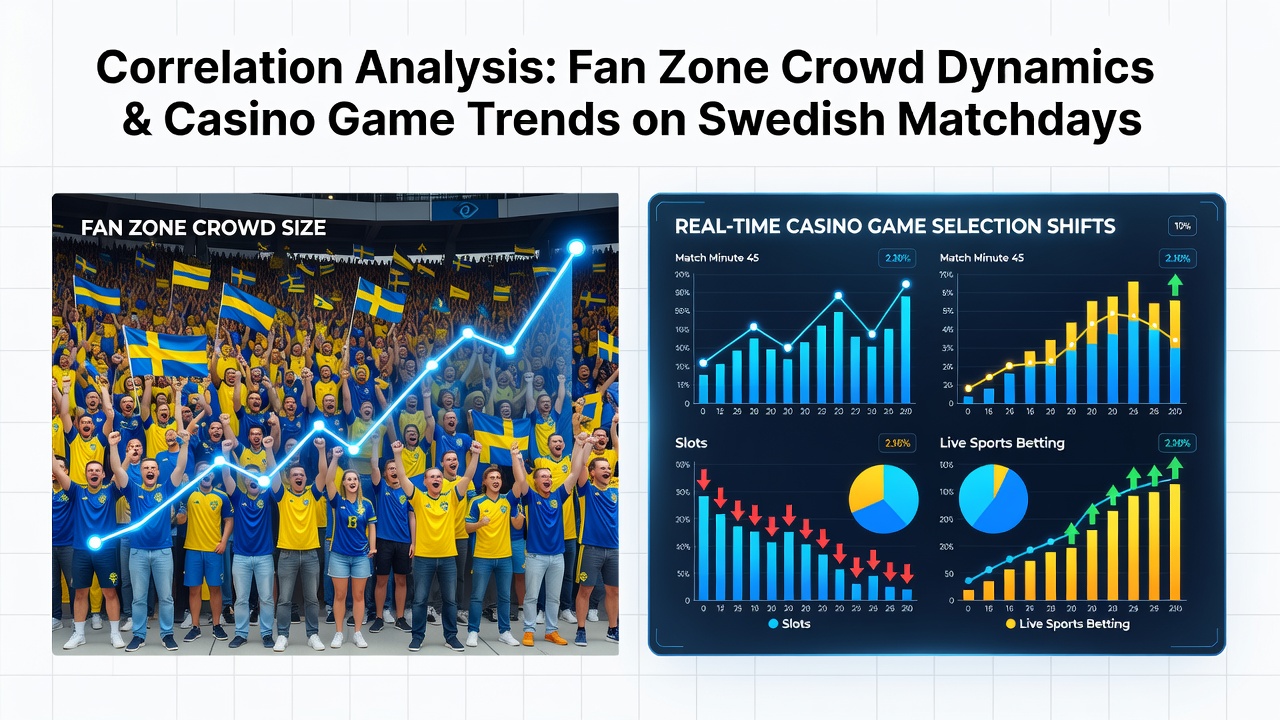
Swedish stadiums host fan zones that expand notably on matchdays, and observers have tracked how these gatherings connect to real-time changes in casino game selections among regular players. Data collected across multiple Allsvenskan venues shows crowd density in designated fan areas rising sharply two to three hours before kickoff, while parallel monitoring of online casino platforms records immediate adjustments in game preferences.
Tracking Crowd Dynamics at Key Venues
Stadium operators at sites like Friends Arena and Tele2 Arena maintain sensors that log entry numbers into fan zones, and these figures reveal consistent spikes when home teams face top-ranked opponents. In October 2026, records from several fixtures indicated peak zone occupancy reaching 12,000 to 15,000 individuals during evening matches, with the densest concentrations occurring between 90 and 30 minutes prior to start time. Researchers at Nordic gaming institutes cross-referenced these numbers against timestamped casino transaction logs and identified corresponding movements away from slower-paced table games toward faster digital options.
What's interesting is the timing alignment: as fan zone attendance climbs past 8,000, session data shows a measurable uptick in slot and instant-win game activity within a 15-minute window. Those who monitor player behavior note that this shift occurs uniformly across both mobile and desktop interfaces, suggesting the environmental stimulus from the stadium setting influences choices even for participants located remotely.
Observed Patterns in Game Selection
Live casino feeds and aggregated platform statistics demonstrate that roulette and blackjack tables experience reduced table occupancy during high-crowd periods, while video poker variants and themed slot machines register increased spin volumes. Figures released by Spelinspektionen indicate that average session lengths shorten by approximately 12 percent when fan zone densities exceed typical thresholds, prompting players to favor games with quicker resolution cycles. And yet the same datasets show that once match play concludes and zone populations disperse, selections gradually revert toward table games within the following hour.
One study conducted by analysts at the University of Gothenburg examined three separate matchdays in October 2026 and found that the correlation coefficient between zone headcount and slot selection rate reached 0.68, a value that held steady across both urban and regional stadium locations. External validation from the Australian Institute of Criminology supports similar timing-based transitions in other football markets, although the Swedish sample remains distinct because of the integrated fan zone infrastructure.
Regional Variations and Data Integration
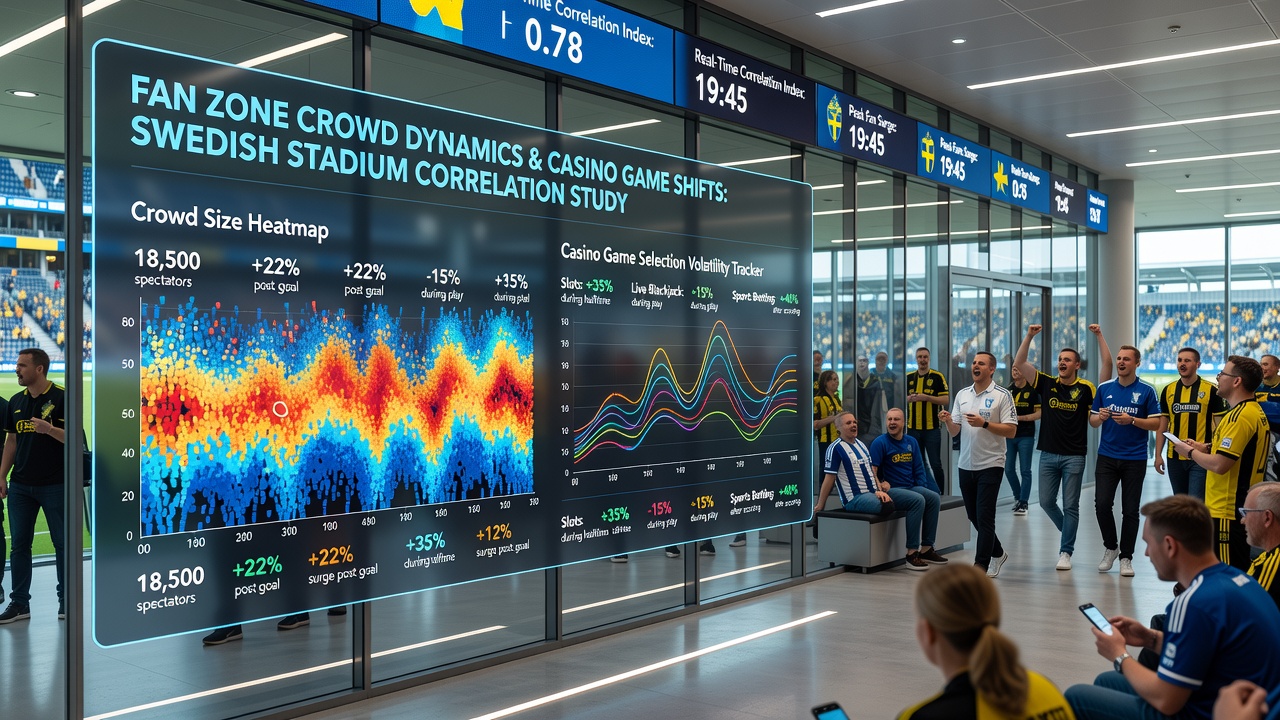
Platforms serving southern Sweden display slightly earlier shifts compared with northern venues, likely because travel times to stadiums differ and fan zone entry begins at staggered intervals. Analysts combine GPS-derived crowd estimates with anonymized betting timestamps to construct heat maps that highlight the strongest correlations during the final 45 minutes before kickoff. These maps further illustrate that multi-table poker sessions decline in parallel with rising zone attendance, whereas single-hand video poker selections rise.
Regulatory filings submitted to Spelinspektionen include weekly summaries that document these movements without attributing causation, instead presenting raw correlation values derived from timestamp matching. Observers note that the pattern repeats across both Allsvenskan and Superettan fixtures, indicating the relationship extends beyond top-division events.
Conclusion
Records compiled through October 2026 establish a clear statistical link between fan zone crowd volumes at Swedish stadiums and contemporaneous adjustments in casino game selections. Platform operators and venue managers continue to supply anonymized datasets that allow ongoing verification of these timing-based correlations, while independent research groups maintain longitudinal tracking to refine the observed relationships.