4 Oct 2026
How Broadcast Schedules from Domestic Fixtures Steer Shifts Between Live Wagering Windows and Digital Table Selections
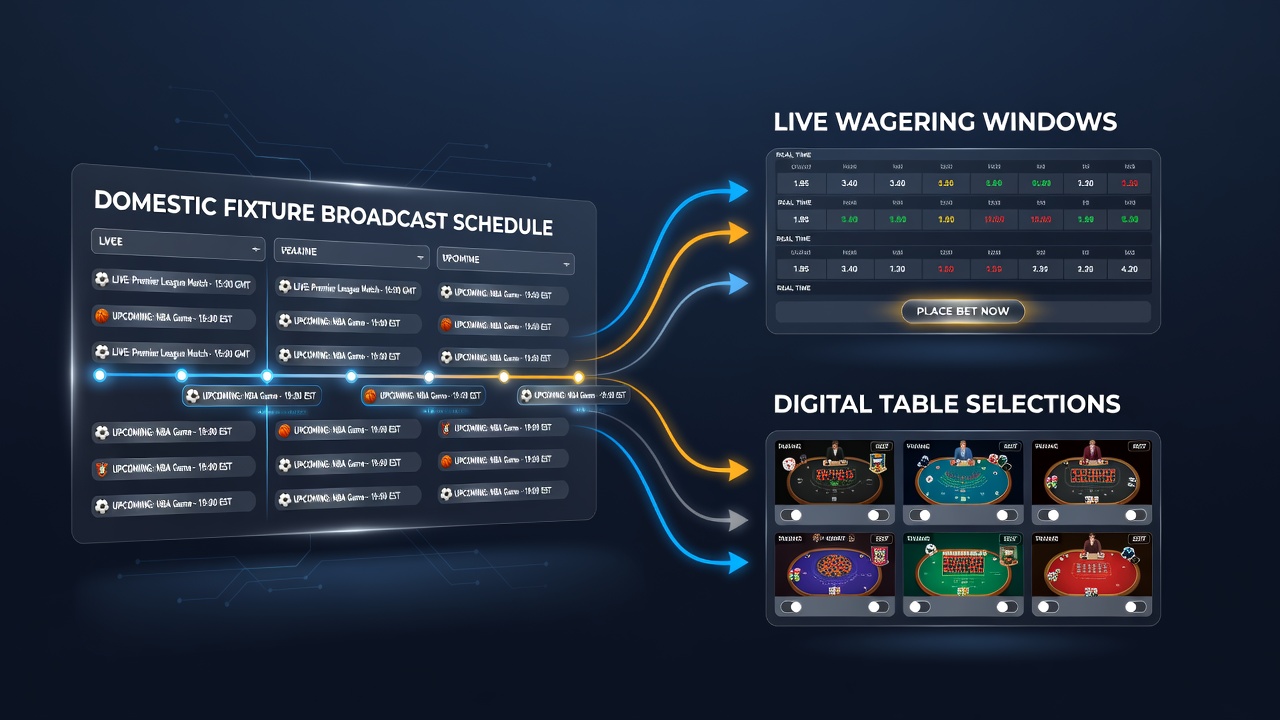
Domestic sports fixtures shape online gambling behaviors through their broadcast timings, and observers note that these schedules create predictable movements in player activity between live wagering options and digital table games. Research from industry analysts shows that when prime-time matches air on major networks, traffic patterns shift noticeably across betting platforms as participants adjust their choices to align with available viewing windows and real-time opportunities.
Understanding the Connection Between Broadcast Timings and Player Movement
Fixtures from national leagues often determine when live betting markets open and close, yet the same schedules influence how people transition toward casino-style tables during breaks or after events conclude. Data collected across multiple European markets indicates that peak viewing hours coincide with increased engagement in in-play options, while lulls between matches prompt selections of digital blackjack or roulette variants that require less real-time attention. Those who've tracked user metrics over several seasons report that broadcast delays or extended half-times further encourage switches toward table games because participants seek continuous activity without waiting for the next play.
Patterns Observed in October 2026 Across Major Leagues
During October 2026, domestic competitions in several countries featured clustered evening fixtures that overlapped with traditional prime-time slots, and figures from platform operators revealed measurable increases in table game sessions during those periods. Analysts documented how a Saturday afternoon slate of matches led to elevated live wagering volumes in the early evening, followed by a distinct pivot toward digital tables once the final whistle sounded and viewers sought alternative entertainment. Studies conducted by academic researchers at institutions focused on media consumption found that these transitions occurred most sharply when matches ended within a narrow time band, creating synchronized drops in live betting interest that platforms addressed by promoting table selections.
Regional Variations in How Fixtures Drive Platform Choices
League structures differ by country, and these differences produce distinct effects on how broadcast windows steer activity. In leagues with frequent midweek games, participants often maintain live wagering focus longer because multiple overlapping broadcasts extend the period of heightened engagement, whereas weekend-dominant schedules generate clearer boundaries that push users toward table games during daytime gaps. Reports compiled by regulatory bodies in Australia highlight similar dynamics, where domestic football airings correlate with temporary surges in both live markets and casino tables depending on the daypart. What's interesting is that platforms respond by adjusting promotional timing, ensuring table game interfaces appear more prominently when broadcast schedules indicate a natural pause in live events.
Technical Factors That Amplify Schedule-Driven Shifts
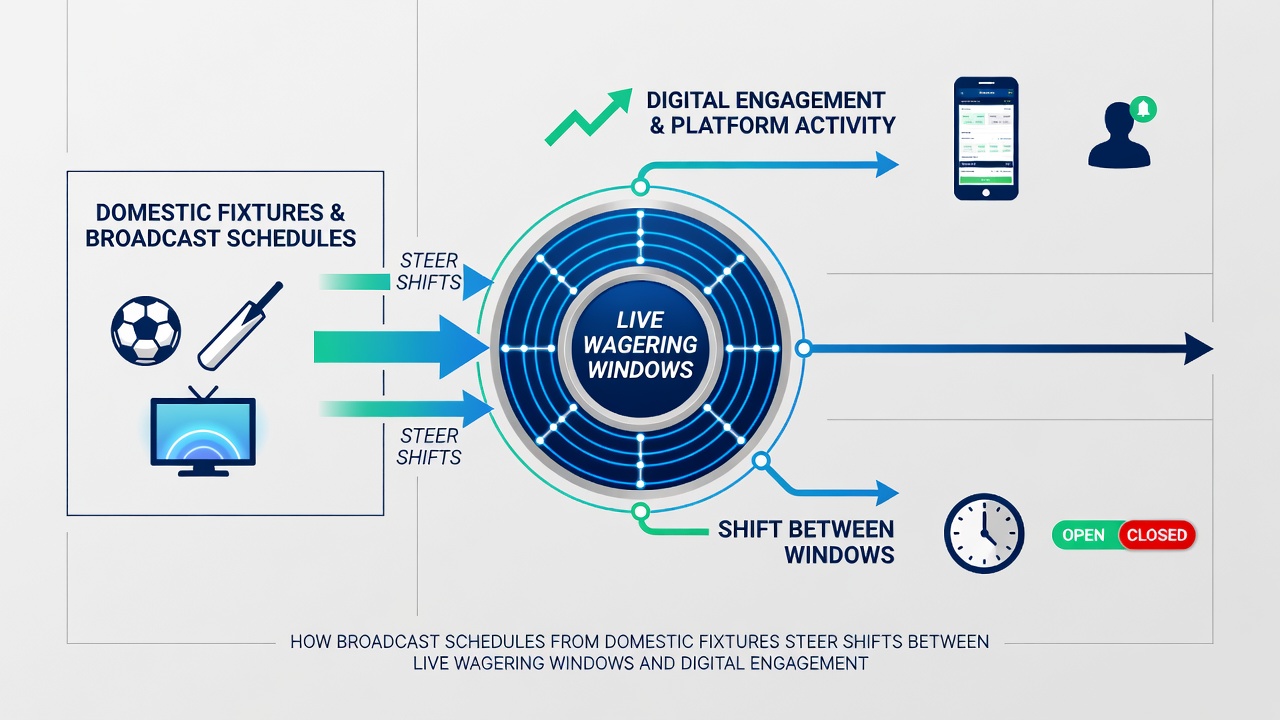
Streaming quality and notification systems also play roles, since reliable live feeds keep attention on matches and sustain live betting windows, while any disruption prompts quicker movement to digital tables that operate independently of external events. Industry reports from the European Gaming and Betting Association note that integrated apps now use broadcast metadata to predict these shifts and preload relevant table options, reducing friction during transitions. Observers note that players who follow multiple domestic leagues simultaneously experience more frequent changes because staggered start times create overlapping windows that fragment attention across both live wagering and table selections within the same session.
Measurement Approaches Used by Platform Operators
Operators rely on timestamped user data to quantify how broadcast schedules steer behavior, and these datasets show consistent correlations between fixture air times and session type changes. One study revealed that a two-hour broadcast block typically generates an initial spike in live betting followed by a secondary rise in table game activity that lasts roughly forty minutes after the event ends. Figures released through academic channels confirm that these patterns hold across different time zones when domestic leagues broadcast internationally, allowing operators to prepare interface adjustments that match expected player movements without requiring manual intervention.
Conclusion
Broadcast schedules from domestic fixtures continue to function as primary drivers of activity shifts between live wagering windows and digital table selections, with data from multiple sources confirming the strength of these connections. Platform responses in October 2026 demonstrated how operators adapt interfaces and promotions to match these predictable movements, and ongoing research into media consumption patterns suggests the relationship will remain central to understanding online gambling behaviors as league calendars evolve.